
Drain problems rarely happen overnight. Most major plumbing emergencies start with minor buildup that homeowners ignore. That’s why one of the most common questions plumbers hear is: how often should you clean your drains?
Understanding the right drain cleaning frequency can save you thousands of dollars in repairs, prevent unpleasant odors, and eliminate the need for costly emergency services. Whether you’re managing a busy household or living alone, having a structured professional drain cleaning schedule is essential for proper home drain maintenance.
In this comprehensive guide, we’ll break down:
- How often should drains be cleaned
- Area-specific cleaning recommendations
- Signs your drains need cleaning
- Prevention strategies
- When to schedule professional drain cleaning
- Annual drain cleaning benefits
- FAQs homeowners commonly ask
Let’s dive in.
Why Regular Drain Cleaning Matters
Many homeowners underestimate the importance of routine drain cleaning until they experience a major blockage. Over time, grease, soap scum, food particles, hair, and mineral deposits accumulate inside your pipes. Without proper residential drain cleaning, this buildup restricts water flow and creates pressure within your plumbing system.
Here’s why consistent maintenance matters:
- Prevents pipe corrosion and long-term damage
- Reduces risk of sewage backups
- Eliminates foul odors
- Extends plumbing system lifespan
- Avoids emergency drain cleaning costs
Professional plumbers recommend treating drain care as preventative maintenance — just like HVAC servicing or roof inspections.
If you wait until water stops draining, you’re no longer maintaining your plumbing — you’re repairing it.
How Often Should You Clean Your Drains?
Now to the core question: how often should you clean your drains?
For most households, experts recommend professional drain cleaning at least once every 12 to 18 months. However, the ideal drain cleaning frequency depends on several factors:
Household Size
Larger families produce more hair, soap residue, grease, and debris — increasing the need for frequent cleaning.
Kitchen Usage
If you cook regularly, grease buildup will require more frequent kitchen drain cleaning.
Bathroom Usage
Homes with multiple bathrooms often need consistent bathroom drain cleaning to prevent hair clogs.
Older Plumbing Systems
Older pipes are more prone to buildup and may require a tighter professional drain cleaning schedule.
Tree Roots & Sewer Issues
If your property has large trees, you may need more frequent main sewer line cleaning due to root intrusion.
Quick Answer:
- Standard homes: Every 12–18 months
- Large families: Every 12 months
- High-usage kitchens: Every 6–12 months
- Older homes: Annually
So when asking, how often should drains be cleaned, the safest rule is annual professional inspection combined with preventative maintenance throughout the year.
Drain Cleaning Frequency by Area of the Home
Kitchen Drain Cleaning
Grease and food particles are the biggest enemies of kitchen plumbing.
If you’re wondering how often should you clean your kitchen drain, experts recommend:
- Light cooking: Once per year
- Heavy cooking: Every 6–9 months
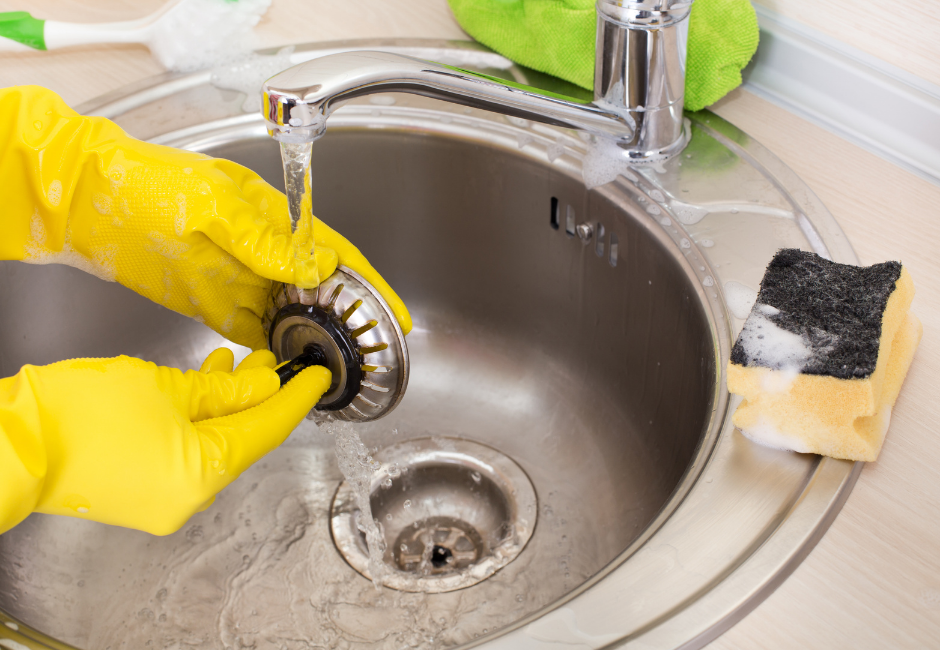
To support proper kitchen drain cleaning, avoid pouring grease down the sink and use sink strainers. Grease solidifies inside pipes and narrows flow, eventually requiring professional drain cleaning services.
Bathroom Drain Cleaning
Hair, toothpaste residue, soap scum, and personal care products accumulate quickly.
If you’re asking, how often should bathroom drains be cleaned, the answer typically ranges from:
- Every 12 months (average use)
- Every 6–9 months (large households)
Regular bathroom drain cleaning helps prevent slow draining sinks and recurring clogs.
Main Sewer Line Cleaning
The most critical yet overlooked component is the sewer line.
Many homeowners ask, how often to clean main sewer line?
Recommended sewer line cleaning frequency:
- Every 18–24 months for newer homes
- Annually for older properties
Routine main sewer line cleaning prevents severe blockages and eliminates the risk of sewage backup.
Signs Your Drains Need Cleaning
Knowing how to know when drains need cleaning can prevent emergencies.
Here are common signs your drains need cleaning:
- Slow draining sinks
- Frequent clogs
- Gurgling sounds
- Foul odors
- Water backing up
- Multiple fixtures clogging at once
If you notice any of these symptoms, it’s time to reassess your drain cleaning frequency and consider professional help before it turns into emergency drain cleaning.
Best Drain Cleaning Schedule for Homeowners
The best drain cleaning schedule for homeowners includes both DIY care and professional service.
Monthly
- Flush drains with hot water
- Check for slow draining sink solutions
- Inspect visible plumbing
Quarterly
- Apply preventative cleaning methods
- Review overall system performance
Annually
- Schedule professional inspection
- Perform comprehensive residential drain cleaning
- Inspect sewer line
If you’re unsure how often should you schedule professional drain cleaning, once per year is generally ideal for most homes.
Clogged Drain Prevention Tips
Effective clogged drain prevention reduces repair costs and keeps plumbing flowing smoothly.
How to Prevent Clogged Drains:
- Use drain strainers
- Never pour grease down sinks
- Avoid chemical drain cleaners
- Dispose of food waste properly
- Implement consistent routine drain cleaning
These simple plumbing maintenance tips can significantly extend your plumbing lifespan.
Annual Drain Cleaning Benefits
The annual drain cleaning benefits go beyond just preventing clogs.
- Improves water flow
- Extends pipe lifespan
- Reduces bacteria and odors
- Minimizes plumbing emergencies
- Saves money long term
Annual service ensures your professional drain cleaning schedule stays on track.
When to Call Drain Cleaning Services
DIY methods work for minor buildup, but certain issues require professional drain cleaning services.
Call a professional if you experience:
- Repeated blockages
- Sewer odors
- Multiple clogged fixtures
- Water backup
- Root intrusion
In severe cases, immediate emergency drain cleaning may be necessary to prevent water damage.
FAQs: How Often Should You Clean Your Drains?
1. How often should you clean your drains professionally?
Most experts recommend once every 12–18 months, depending on household size and usage.
2. How often should you clean your kitchen drain?
For average households, once per year. Heavy cooking may require cleaning every 6–9 months.
3. How often should bathroom drains be cleaned?
Annually for most homes. Large families may need service every 6–12 months.
4. How often to clean main sewer line?
Every 18–24 months for newer homes, annually for older properties.
5. What are the signs your drains need cleaning?
Slow drainage, bad odors, gurgling sounds, and frequent clogs are common warning signs.
6. What are the benefits of annual drain cleaning?
Improved performance, fewer repairs, longer pipe lifespan, and reduced emergency risks.
Final Thoughts
So, how often should you clean your drains?
For most homeowners, an annual professional cleaning combined with preventative maintenance is the safest approach. Adjust your drain cleaning frequency based on household size, usage habits, and plumbing age.
Proactive home drain maintenance is always cheaper than reactive repairs. By following the right routine drain cleaning strategy and scheduling timely residential drain cleaning, you can prevent costly plumbing emergencies and protect your home’s plumbing system for years to come.