

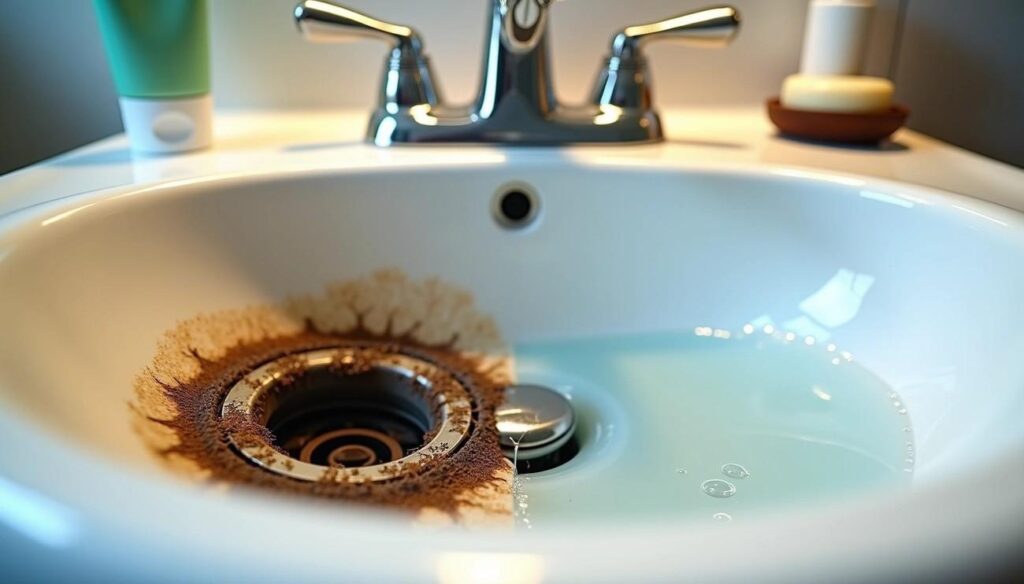
Vancouver homeowners deal with clogged drains as their most common plumbing problem throughout the city. Water that slowly disappears down your sink or standing ankle-deep in shower water are experiences that ever spread across households. You’re definitely not alone. Clogs can form anywhere pipes carry liquid—from toilets and bathroom sinks to kitchen drains and washing machine lines.
A minor inconvenience can quickly turn into a major headache. Severe clogs often cause pipe damage and water damage to your home. Your house might have a main drain clog if you notice slow drainage in all fixtures, not just one. Grease and fat buildup remain the usual suspects behind these stubborn blockages.
This complete guide explores the main causes of clogged drains in Vancouver homes with practical solutions to prevent them. We’ll help you understand kitchen sink maintenance, bathroom drain care, and ways to handle outdoor problems like invasive tree roots. You’ll learn everything needed to keep your plumbing system running smoothly.
Kitchen and Food-Related Drain Clogs
Kitchen sinks deal with everything from greasy pans to food scraps. This makes them prime targets for clogs. Vancouver plumbers say kitchen drain blockages are some of the toughest problems they face. Let’s get into what causes these issues and how you can fix them.
Grease and oil buildup in kitchen sinks
Grease stands out as the biggest troublemaker in kitchen drains. Hot grease flows easily down your drain and seems harmless at first. The problems start once it cools down. The grease turns into a sticky, solid mass that sticks to pipe walls. Your pipes get narrower as this buildup continues. Water flow slows down until the pipe gets completely blocked.
The sticky grease also traps other debris that goes down your drain. This mix creates a tough clog that won’t budge. Many Vancouver homes end up with slow-draining sinks because of this issue.
Food scraps and garbage disposal misuse
Your garbage disposal can’t handle everything. Some foods should stay out of your drain completely. Pasta and rice swell up with water inside pipes and create blockages. Coffee grounds might look harmless, but they clump together into a thick paste that coats your pipes.
Fibrous vegetables create another headache. Celery, potato peels, and stringy veggies can tangle around other debris and won’t break down. Vancouver homeowners often misuse their garbage disposals. Many think these units can handle any food waste, but that’s not true.
How to prevent kitchen drain clogs
Smart cooking habits help prevent clogs. Don’t rinse grease down the sink. Instead, pour it in a container, wait for it to cool, and throw it in the trash. Any grease that sneaks into your drain needs weekly hot water flushes to melt away buildup.
Sink strainers offer great protection against clogs. These cheap devices catch food bits before they reach your drain. This stops potential blockages before they start.
A simple monthly maintenance trick works wonders. Pour half a cup of baking soda down your drain. Follow it with half a cup of vinegar. Let it bubble for about 15 minutes, then flush with hot water. This natural cleaner breaks down grease and keeps drains running smoothly.
You might still need professional drain cleaning in Vancouver sometimes. This is especially true for older homes where aging pipes collect more buildup.
Bathroom Drain Blockages
Your bathroom’s plumbing system faces unique challenges that you won’t find anywhere else in your home. Most drain clogs happen because everyday items build up inside the pipes.
Hair accumulation in shower and sink drains
Hair causes about 80% of all bathroom drain problems. Unlike other materials, hair doesn’t break down at the time it goes down drains. It creates multiple gripping points and sticks to pipe walls even as water flows through. Hair becomes an even bigger headache when it’s longer because it tangles more easily. This creates a foundation for tough blockages that get worse in the last few months.
Soap scum and toothpaste residue
Your daily bathroom habits create the perfect storm for clogs. Bar soaps leave scum that builds up along pipe walls and traps other debris. The same goes for toothpaste – it hardens inside pipes and creates sticky surfaces where other materials stick. Just think about how hard it is to clean dried toothpaste from your sink. That same stubborn nature makes it a real problem in your plumbing.
Flushable wipes and hygiene products
Don’t let the “flushable” label fool you – these wipes cause serious problems for Vancouver’s drainage systems. Research shows they don’t break down like toilet paper and cause major blockages. Studies found these wipes factored in up to 93% of material blocking sewers. Cotton swabs, feminine hygiene products, and dental floss also wreak havoc on drains if you toss them down the toilet.
Tips to keep bathroom drains clear
You need to pay attention to keep your bathroom drains flowing freely. Quality drain screens should be your first line of defense to stop hair and debris from entering pipes. Make sure you clean drain stoppers often since they collect lots of gunk. Here’s what else you can do:
- Mix boiling water with dish soap and pour it down drains weekly to dissolve soap scum
- Use a natural cleaner monthly (baking soda followed by vinegar) to break down buildup
- Give your hair a good brush before showering to remove loose strands
These simple steps can save Vancouver homeowners from dealing with expensive and frustrating drain blockages.
Outdoor and Structural Causes of Drain Clogs
Your home’s drainage system faces several threats from the outside world. These external problems can damage your plumbing before you even notice them.
Tree roots invading underground pipes
Tree roots have a natural attraction to water, which makes your sewer lines an easy target. They can find the smallest leaks and work their way through tiny cracks or loose joints in your pipes. These roots grow faster inside, where they feed on nutrients in your wastewater. Root intrusion causes almost half of all sewer line blockages. The roots trap debris as they grow inside pipes and create tough blockages that get worse over time.
Heavy rain and yard drainage issues
Vancouver’s rainy seasons turn poor yard drainage into the biggest problem. Water pooling after rainfall shows where your property has low spots that collect water. This extra moisture moves toward your home’s foundation and can flow into basement drains, which leads to backups. We noticed downspouts that release water close to your foundation make this problem worse, which creates more standing water and leads to wet basements.
Aging or corroded pipes in older Vancouver homes
Old plumbing systems clog more easily as they age. Many Vancouver’s older homes still use drain lines made from clay or cast iron that break down over the years. The concrete that connects pipe sections in older systems crumbles, which creates openings for debris and roots. Your home’s settling foundation can also make pipes sag or create “pipe bellies” that lead to constant backups. These structural problems create perfect conditions for clogs that regular cleaning won’t fix.
When to Call a Plumber and How to Prevent Future Clogs
DIY efforts don’t always solve drain problems, and professional expertise becomes essential. Vancouver homeowners can save money and avoid headaches by recognizing when they need help and taking preventive steps.
Signs you need professional drain cleaning services
Your drains need professional cleaning when stubborn clogs won’t respond to DIY solutions. Multiple slow-draining fixtures throughout your home suggest a main line blockage. Water that backs up through bathtubs or sinks during toilet flushes points to trapped air from obstructions. You should also watch for gurgling drain sounds, foul odors, or mysterious puddles around your property that signal potential blockages needing expert attention.
How often should drains be cleaned?
Different drains need cleaning at different intervals. Kitchen drains need monthly maintenance because of food and grease buildup. Bathroom drains work best with cleaning every three to four months to remove hair and soap scum. Your main sewer line needs professional service yearly. Outdoor drains should be cleared twice a year, especially during fall and spring. Houses in Vancouver’s tree-heavy areas might need more frequent service.
Best practices for long-term drain health
Good drain health depends on prevention. Quality drain screens on all fixtures help catch debris before it enters pipes. Hot water flushing each week helps break down potential buildup. A natural cleaner made of baking soda and vinegar works well for monthly cleaning. Kitchen care should include throwing grease in trash bins instead of pouring it down drains. Regular professional inspections can catch small problems before they turn into expensive emergencies. Vancouver homeowners can substantially reduce drain problems and help their plumbing systems last longer by following these simple practices.
Conclusion
Clogged drains frustrate Vancouver homeowners, yet they remain an unavoidable aspect of maintaining a house. This piece explores how our daily habits lead to blockages. Kitchen grease hardens in pipes, hair tangles in bathroom drains, and tree roots invade outdoor plumbing. These problems affect homes of all ages across the city, though older infrastructure faces higher risks.
Prevention proves more effective than reactive solutions when it comes to drain health. A few simple changes can save hundreds or maybe even thousands in emergency plumbing costs. Using drain screens, disposing of grease properly, and scheduling regular maintenance make a significant difference. The most effective strategy combines smart daily habits with regular professional care.
Your home’s different drains need varying levels of attention. Kitchen drains require monthly maintenance because of constant food and grease exposure. Bathroom fixtures work best with quarterly cleaning. Main sewer lines deserve yearly professional inspections, especially with mature trees nearby. This helps catch problems early before they become major issues.
Your plumbing system works like your home’s circulatory system. We take care of our health with preventive measures, and your drains need similar attention. Regular small efforts keep water flowing smoothly through your Vancouver home. This approach helps you avoid the stress and expense of emergency plumbing disasters down the road.
Key Takeaways
Understanding the main causes of drain clogs and implementing simple prevention strategies can save Vancouver homeowners significant money and frustration while maintaining healthy plumbing systems.
• Kitchen grease is the #1 drain enemy – Pour cooking oils into containers instead of down drains, as they solidify and trap debris in pipes
• Hair and soap scum dominate bathroom blockages – Install drain screens and clean them regularly to prevent 80% of bathroom drain issues
• Tree roots cause nearly half of sewer line problems – Schedule annual professional inspections, especially for homes with mature landscaping
• Prevention beats reaction every time – Monthly hot water flushes and natural cleaners (baking soda + vinegar) prevent costly emergency repairs
• Different drains need different care schedules – Kitchen drains monthly, bathrooms quarterly, main sewer lines annually for optimal performance
Regular maintenance and mindful disposal habits represent your best defense against Vancouver’s most common plumbing problems, protecting both your home and your wallet from expensive emergency repairs.
FAQs
Q1. What are the primary causes of clogged drains in Vancouver homes?
The main culprits include grease and oil buildup in kitchen sinks, hair accumulation in bathroom drains, soap scum, food scraps, and tree roots invading underground pipes. In older Vancouver homes, aging or corroded pipes can also contribute to frequent clogs.
Q2. How can I prevent kitchen drain clogs?
To prevent kitchen drain clogs, avoid pouring grease down the sink, use sink strainers to catch food particles, and flush your drains with hot water weekly. Additionally, pour a mixture of baking soda and vinegar down the drain monthly as a natural cleaning method.
Q3. What’s the best way to maintain bathroom drains?
Install quality drain screens to prevent hair and debris from entering pipes. Clean drain stoppers regularly, pour boiling water mixed with dish soap down drains weekly, and use a natural cleaner (baking soda followed by vinegar) monthly to break down buildup.
Q4. How often should I have my drains professionally cleaned?
The frequency depends on the type of drain. Kitchen drains benefit from monthly maintenance, bathroom drains should be cleaned every three to four months, and main sewer lines should receive professional attention annually. Homes in heavily treed areas may require more frequent service.
Q5. What signs indicate I need professional drain cleaning services?
Look out for persistent clogs that resist DIY solutions, multiple slow-draining fixtures throughout your home, water backing up through bathtubs or sinks when flushing toilets, gurgling sounds from drains, foul odors, or unexplained puddles around your property. These signs suggest you may need expert attention.