

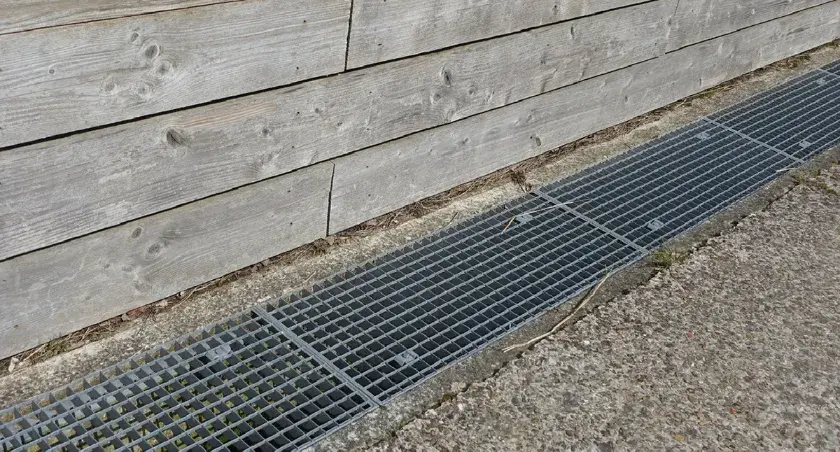
Water damage is one of the most expensive and frustrating problems a homeowner can face. Many people ignore early symptoms until basement flooding or serious foundation damage occurs. Understanding the signs your home needs a drain tile system can help you take action before small moisture issues turn into structural disasters.
If you’ve noticed water around your foundation, persistent dampness, or unusual smells in your basement, your home may already be showing clear warning signals. Let’s explore everything you need to know.
What Is a Drain Tile System?
Before identifying the signs your home needs a drain tile system, it’s important to understand what it actually is.
A drain tile system is a foundation drainage system designed to redirect groundwater away from your home. Despite the name, it doesn’t involve traditional “tiles.” Instead, it consists of perforated pipes installed around the foundation footing. These pipes collect excess water and channel it toward a sump pump or safe drainage area.
There are typically two main types:
- Interior drain tile system – Installed along the inside perimeter of the basement.
- Exterior drain tile system – Installed outside the foundation at footing level.
Both options serve the same purpose: preventing water buildup that leads to foundation drainage problems.
Why Foundation Drainage Matters
Poor drainage increases hydrostatic pressure around your home. When soil becomes saturated, water pushes against foundation walls. Over time, this pressure forces moisture through cracks, joints, and porous concrete.
Without a proper drain tile for house protection, you may experience:
- Structural weakening
- Mold growth
- Basement flooding
- Decreased property value
- Expensive repairs
Recognizing the signs your home needs a drain tile system early can protect both your home and your investment.
Common Basement Water Issues Homeowners Face
Many homeowners experience water problems without realizing the root cause is inadequate drainage. Some of the most common basement water issues include:
- Wet basement after heavy rain
- Water leaking in basement corners
- Water coming through basement walls
- Musty smell in basement
- Cracks in foundation leaking water
- Water pooling around foundation
These symptoms often indicate deeper foundation drainage problems.
Warning Signs of Drainage Problems
Before major flooding occurs, your home usually gives subtle hints. These warning signs of drainage problems often go unnoticed:
- Efflorescence (white powder on basement walls)
- Damp or cold basement floors
- Peeling paint near foundation walls
- Rusting metal fixtures in basement
- Warped baseboards
If these issues persist, they may be early signs your home needs a drain tile system installed or repaired.
10 Signs Your Home Needs a Drain Tile System
Let’s break down the most important indicators in detail.
1. Wet Basement After Heavy Rain
One of the clearest signs your home needs a drain tile system is a wet basement after heavy rain. If water appears along the edges of your basement floor after storms, groundwater may be accumulating around your foundation.
This usually means your current drainage system is overwhelmed or nonexistent.
2. Water Leaking in Basement
Occasional dampness might not seem serious, but consistent water leaking in basement areas is a red flag. Leaks often start small and worsen over time.
If you regularly see moisture near walls or floor joints, your home may lack a functioning basement drain tile system.
3. Water Coming Through Basement Walls
When you notice water coming through basement walls, hydrostatic pressure is likely forcing moisture through porous concrete. This is a major indicator of foundation drainage problems.
An exterior drain tile system is often the best long-term solution for this issue.
4. Cracks in Foundation Leaking Water
Small foundation cracks are common, but cracks in foundation leaking water should never be ignored.
Water intrusion through cracks suggests that pressure around your foundation is too high. Installing a drain tile system can relieve that pressure and prevent further structural damage.
5. Water Pooling Around Foundation
After rainfall, check the perimeter of your home. Water pooling around foundation areas means surface drainage is failing.
This condition significantly increases the likelihood that you’ll soon experience basement moisture problems — another strong sign your home needs a drain tile system.
6. Musty Smell in Basement
A persistent musty smell in basement spaces often indicates hidden moisture. Even if you don’t see visible water, damp conditions may exist behind walls or under flooring.
This odor is commonly linked to mold growth caused by ongoing moisture issues — often tied to inadequate drainage.
7. Basement Flooding Causes Repeating Problems
If you’ve experienced flooding more than once and temporary fixes haven’t worked, the underlying issue may be a lack of proper drainage.
Repeated flooding is one of the most serious signs your home needs a drain tile system.
8. Sump Pump Running Constantly
A sump pump running constantly can signal excessive groundwater pressure. While sump pumps remove water, they don’t stop it from entering the foundation area.
In many cases, combining a sump pump with a proper interior drain tile system provides a more permanent solution.
9. Visible Mold or Mildew Growth
Mold thrives in damp environments. If you see black or green spots on basement walls, it may indicate prolonged moisture exposure.
This is often linked to hidden drainage failures or even a failed drain tile system.
10. Signs of a Failed Drain Tile System
Even homes with existing systems can develop problems. A failed drain tile system may show symptoms such as:
- Persistent dampness despite having drainage installed
- Frequent basement leaks
- Soil settlement near foundation
- Clogged or collapsed drainage pipes
Older homes especially may need updated drain tile installation to restore proper function.
Interior vs Exterior Drain Tile System
When evaluating the signs your home needs a drain tile system, you may wonder which type is best.
Interior Drain Tile System
- Installed inside basement perimeter
- Less disruptive to landscaping
- Often more affordable
- Works well with sump pumps
Exterior Drain Tile System
- Installed outside foundation
- Addresses water before it enters home
- Higher installation cost
- More comprehensive long-term solution
Choosing between them depends on the severity of your foundation drainage problems.
When to Consider Drain Tile Installation
If you’ve identified multiple warning signs, it’s time to consider professional drain tile installation.
You should act immediately if:
- You notice repeated water intrusion
- Foundation cracks are expanding
- Mold growth is increasing
- Basement flooding causes property damage
Early installation can prevent thousands of dollars in structural repairs.
How a Drain Tile System Protects Your Home
A properly installed drain tile for house protection system:
- Reduces hydrostatic pressure
- Prevents basement flooding
- Protects foundation walls
- Improves indoor air quality
- Increases home value
Most importantly, it gives homeowners peace of mind during heavy rain seasons.
Final Thoughts
Ignoring early moisture symptoms can lead to severe structural and financial consequences. Understanding the signs your home needs a drain tile system allows you to address problems before they escalate.
From a wet basement after heavy rain to water pooling around foundation walls, these issues are not just minor inconveniences — they are warning signals.
Whether you need a new basement drain tile system, an upgraded exterior drain tile system, or repairs to a failed drain tile system, taking proactive steps now can save you from major foundation damage in the future.
If you’re experiencing multiple warning signs of drainage problems, consulting a professional for an inspection may be the smartest decision you make for your home.