

Water problems in basements are more than just an inconvenience—they can lead to serious structural damage, mold growth, and costly repairs if ignored. One of the most effective long-term solutions for controlling basement moisture and preventing flooding is a properly designed drain tile system. Understanding the drain tile installation process helps homeowners make informed decisions and recognize why professional installation is so important.
In this guide, we’ll explain the drain tile installation process step-by-step, how drain tile works, when you need it, and how it protects your foundation. Whether you’re dealing with recurring basement leaks or planning preventative waterproofing, this comprehensive guide will walk you through everything you need to know.
What Is a Drain Tile System & How It Works
A drain tile system is a foundation drainage solution designed to collect and redirect groundwater away from your home before it can enter the basement. Despite the name, drain tiles are not made of clay tiles anymore. Modern systems use perforated plastic pipes installed around the perimeter of the foundation.
To understand how drain tile works in basements, it’s important to know that water naturally builds up around foundations due to rainfall, snowmelt, and groundwater pressure. This pressure, known as hydrostatic pressure, pushes water toward basement walls and floors. A drain tile system relieves that pressure by giving water a controlled path to flow away.
The drain tile pipe collects water from the surrounding soil and channels it toward a sump pit, where a sump pump installation safely discharges it away from the home. This creates a reliable basement drainage solution that works continuously, even during heavy rainstorms.
Signs You Need Drain Tile Installation
Many homeowners don’t realize they need drain tile until visible damage appears. Recognizing the early warning signs can help prevent major repairs and long-term moisture issues.
Common signs you need drain tile installation include persistent dampness along basement walls, standing water on the floor after rain, or visible water stains near the foundation. Musty odors, peeling paint, and mold growth are also indicators that your home lacks an effective moisture control system.
If you experience recurring leaks despite sealing cracks or improving surface drainage, drain tile installation for wet basements is often the most reliable solution. It addresses the root cause—water pressure around the foundation—rather than temporary surface symptoms.
Interior vs Exterior Drain Tile Installation: Key Differences
Choosing between interior drain tile installation and exterior drain tile installation depends on your home’s structure, water issues, and budget.
Interior Drain Tile Installation
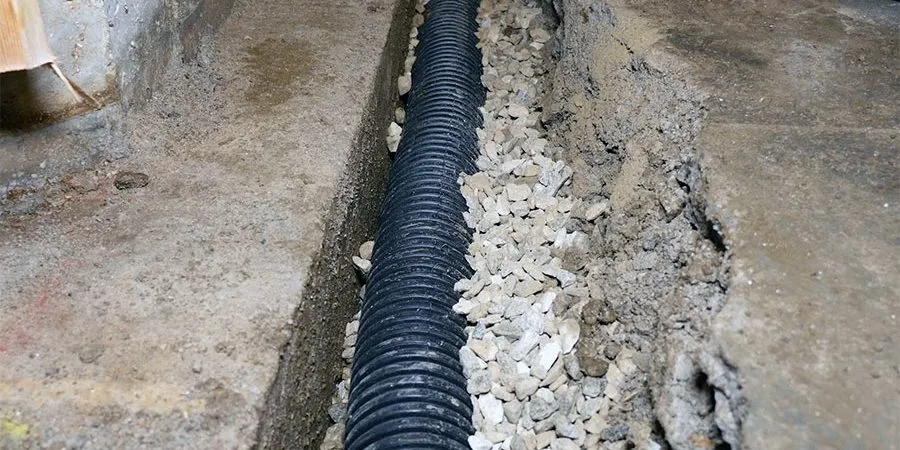
Interior systems are installed beneath the basement floor along the inside perimeter of the foundation. A narrow trench is cut into the concrete, allowing the drain tile pipe and gravel drainage layer to be placed before resealing the floor.
This method is less disruptive, avoids exterior excavation, and works well when water enters at the floor-wall joint. Interior systems pair effectively with sump pump installation and are ideal for finished or partially finished basements.
Exterior Drain Tile Installation
Exterior drain tile installation involves foundation excavation around the outside of the home. The drain tile is placed at the footing level, wrapped in gravel, and protected with a waterproofing membrane.
This method prevents water from ever reaching the foundation walls, making it highly effective for severe water intrusion and foundation protection. While more labor-intensive, it offers long-term protection and is often combined with a complete basement waterproofing system.
Step-by-Step Drain Tile Installation Process
The step by step drain tile installation process involves careful planning, proper materials, and precise execution. Below is a detailed breakdown of each stage.
Step 1: Basement and Foundation Inspection
Every successful drain tile installation process begins with a thorough inspection. Professionals assess water entry points, soil conditions, foundation type, and existing drainage systems. This evaluation determines whether interior or exterior installation is most suitable.
During this stage, contractors also identify areas where water drainage around the foundation is compromised, ensuring the system is designed for maximum efficiency.
Step 2: Planning the Drain Tile Layout
Once the inspection is complete, the layout for the drain tile system installation is planned. The perimeter drain system is mapped to ensure proper slope and water flow. Careful planning prevents low spots where water could collect and ensures smooth drainage toward the sump pit.
This step is crucial in ensuring the long-term effectiveness of the foundation drainage system.
Step 3: Excavation or Concrete Removal
For interior drain tile installation, a narrow trench is cut along the basement perimeter, and concrete is carefully removed. For exterior drain tile installation, soil is excavated down to the footing level around the foundation.
Although excavation can seem invasive, it is necessary to install the system at the correct depth and provide lasting protection against basement flooding.
Step 4: Installing the Gravel Drainage Layer
A clean gravel drainage layer is placed at the base of the trench. Gravel improves water flow, prevents soil from clogging the drain tile pipe, and increases the overall lifespan of the system.
This layer plays a vital role in maintaining consistent drainage and supporting the pipe structure.
Step 5: Drain Tile Pipe Installation
The perforated drain tile pipe is laid on top of the gravel layer, following the planned perimeter layout. The perforations allow groundwater to enter the pipe easily, directing it toward the sump system.
Proper alignment and slope are critical at this stage to ensure water flows efficiently without pooling.
Step 6: Waterproofing Membrane (Exterior Systems)
For exterior installations, a waterproofing membrane is applied to the foundation wall before backfilling. This membrane acts as an additional barrier, preventing moisture penetration and strengthening the basement waterproofing system.
Combined with the drain tile system, this step offers superior protection against long-term moisture damage.
Step 7: Sump Pump Installation and Drain Connection
The drain tile system is connected to a sump pit, where a sump pump installation ensures collected water is discharged away from the foundation. This step is essential for preventing basement flooding during heavy rainfall or snowmelt.
Modern sump pumps often include backup systems to ensure continuous operation during power outages.
Step 8: Backfilling and Final Sealing
For interior systems, the trench is filled with gravel and resealed with concrete to restore the basement floor. For exterior systems, soil is carefully backfilled and graded to promote proper surface drainage.
The system is then tested to confirm proper water flow and overall functionality.
Drain Tile Installation Cost Breakdown
The cost of drain tile installation varies depending on whether you choose interior or exterior systems, home size, and soil conditions.
- Interior drain tile system: Lower cost, less excavation
- Exterior drain tile system: Higher cost due to digging and waterproofing
- Additional costs: sump pump, waterproof membrane, concrete restoration
While exterior systems cost more upfront, they often provide longer-lasting protection by stopping water before it reaches the foundation.
Common Drain Tile Installation Mistakes
Many basement water problems happen due to poor installation.
Common mistakes include:
- Incorrect slope of drain pipe
- Using clogged or dirty gravel
- Missing waterproof membrane (exterior systems)
- Poor sump pump sizing
- Incomplete perimeter coverage
Even a small installation error can cause system failure and repeat basement flooding.
French Drain vs Drain Tile: What’s the Difference?
Homeowners often confuse French drain vs drain tile, but they serve different purposes. French drains are typically installed near the surface to manage surface water, while drain tile systems are designed to control groundwater at the foundation level.
Drain tile installation is far more effective for basement waterproofing and foundation protection, especially when dealing with recurring leaks or hydrostatic pressure issues.
Drain Tile Installation for Foundation Protection
One of the biggest advantages of drain tile installation for foundation protection is its ability to reduce long-term structural stress. By relieving hydrostatic pressure, the system prevents cracks, shifting, and deterioration of foundation walls.
A properly installed foundation drainage system also improves indoor air quality by reducing moisture and mold growth, contributing to a healthier living environment.
Drain Tile Repair vs Installation: Which Do You Need?
In some cases, minor repairs may restore a damaged drain tile system. However, older systems often fail due to clogging, collapse, or outdated materials.
Understanding drain tile repair vs installation helps homeowners avoid repeated fixes. Full drain tile system installation is often more cost-effective in the long run, providing reliable protection and peace of mind.
Benefits of Professional Basement Drain Tile Installation
While some homeowners explore DIY solutions, professional basement drain tile installation ensures proper design, code compliance, and long-term reliability. Experts understand soil conditions, drainage principles, and the correct placement of drain tile systems.
A professional drain tile installation guide ensures your system works efficiently for decades, protecting your home investment and preventing costly future repairs.
Drain Tile Maintenance Guide
Even though drain tile systems are low maintenance, they are not “zero maintenance.”
Maintenance checklist:
- Test sump pump every 3–6 months
- Clean sump pit annually
- Check discharge pipe for blockage
- Inspect for slow drainage after heavy rain
Proper maintenance ensures your basement stays dry for decades.
Final Thoughts: Is Drain Tile Installation Worth It?
When it comes to protecting your home from water damage, the drain tile installation process is one of the most effective solutions available. It addresses the root cause of basement moisture, prevents basement flooding, and safeguards your foundation for the long term.
Whether you choose interior or exterior drain tile installation, investing in a properly designed system offers lasting protection, improved comfort, and increased property value. If your basement shows signs of moisture or water intrusion, drain tile installation may be the solution your home needs.