
6 Quick Fixes for Blocked Drains: Expert Tips from North Vancouver Plumbers
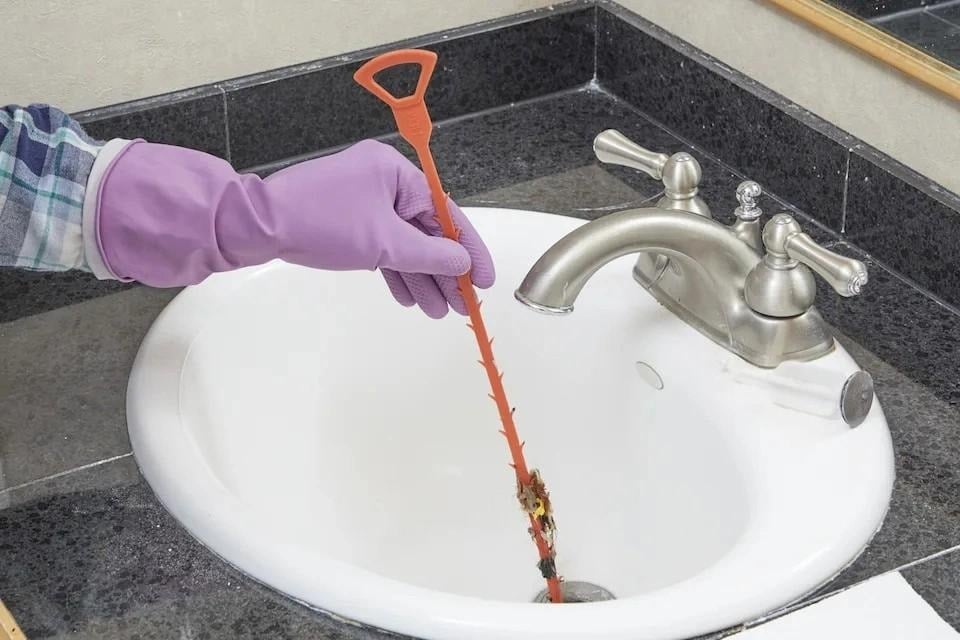
Drain cleaning services become crucial when your sewer line gets clogged. Wastewater has nowhere to go except back into your home. Most of us panic watching water rise in the sink or smell that unmistakable sewage odor while brushing our teeth. Food waste stands out as the main culprit behind blocked drains. Coffee grounds and cooking grease create the biggest problems. Grease cools and solidifies inside pipes, and coffee grounds form a sticky paste that builds up steadily. My search for residential drain cleaning services showed that people could prevent many clogs with proper disposal habits. Blockages can lead to unpleasant odors, slow-draining sinks, and serious water damage if left untreated. Pipes might even burst. This piece offers six proven DIY solutions from our plumbing drain cleaning services experts. These solutions help tackle common blockages before they become major problems. These quick fixes might save you from needing professional drain cleaning services near you. We’ll also help you decide when it’s time to call in the professionals. Fix #1: Use a Plunger to Dislodge Local Clogs A plunger is your first defense against blocked drains. This simple yet powerful tool can save you hundreds of dollars on drain cleaning services when you use it right. Unlike chemical cleaners that damage pipes over time, plungers use physical force to clear clogs. The Science Behind Plunger Effectiveness The science behind plungers is straightforward. They create pressure that moves water both ways to loosen whatever blocks your drain. A plunger creates a vacuum seal over the drain opening. This lets you push water against the clog with enough force to break it apart or move it completely. Choosing the Right Plunger Type You need the right type of plunger to get the best results: Plunger Type Best For Design Features Cup Plunger Sinks, showers, bathtubs Flat rubber cup, shorter handle Flange Plunger Toilets, curved drains Extended rubber flap for better seal Cup plungers work best on flat surfaces like sink and shower drains. Flange plungers are great at sealing around curved toilet drains. The rubber flange creates a better seal in toilet bowls, making them work better for those specific clogs. I suggest keeping both types handy for detailed residential drain cleaning services. How to Use a Plunger Properly Most people don’t realize there’s a technique to plunging effectively. Your approach makes a big difference in clearing that clog or needing to call for professional plumbing drain cleaning services. Here’s how you can plunge like a pro: Pro Tips for Specific Drains:Sink and bathtub drains work better when you seal the overflow opening with a wet rag or duct tape. This focuses all force on the clog instead of letting pressure escape through the overflow. Shower drains respond better to sink plungers than toilet plungers. The water in a clogged shower helps create perfect conditions since plunger cups need at least an inch of water for a good seal. When a Plunger Won’t Work Plungers are great but they can’t fix everything. Some situations need different approaches or professional help: Bad plunging techniques can make things worse. Too much force pushes clogs deeper, and aggressive toilet plunging might break the floor seal and cause leaks. Specialized equipment can tackle stubborn clogs. Call professionals for tough drainage problems. Fix #2: Try a Baking Soda and Vinegar Flush A powerful household remedy using two common kitchen ingredients can help you deal with minor drain blockages. Baking soda and vinegar create a fizzing reaction that breaks down many common drain obstacles without using harsh chemicals found in commercial cleaners. My experience as a North Vancouver plumber shows this method resolves many minor clogs that would otherwise need professional drain cleaning services. Why Baking Soda and Vinegar Work The science behind this cleaning method relies on simple chemistry principles. Baking soda (sodium bicarbonate) is a base, while vinegar (acetic acid) is an acid. These two substances create an immediate chemical reaction that produces carbon dioxide gas, water, and sodium acetate (a salt) when combined. This reaction does more than just look impressive – it serves several crucial purposes in your pipes: Each ingredient targets different types of clogs at the same time: This combination also disinfects your drains thanks to baking soda’s natural antibacterial properties. The fizzing action helps curb odor-causing bacteria and fungi while dissolving organic materials such as grease, hair, and food residue. Notwithstanding that this method works well for minor blockages, tougher clogs might still need professional plumbing drain cleaning services from specialists. Step-by-Step Instructions In the last several years of providing residential drain cleaning services, I’ve refined this method to boost effectiveness. Here’s my recommended approach: Materials Needed: Preparation Steps: Execution: Stubborn clogs might need multiple treatments. Contact professional drain cleaning services if you still experience slow drainage after 2-3 attempts. Best Drains to Use This Method On My experience providing drain cleaning services in my area shows this solution works best on specific types of clogs and drain locations: Drain Location Effectiveness Best For Limitations Kitchen Sink High Food particles, light grease Heavy grease requires additional methods Bathroom Sink Very High Soap scum, toothpaste, light hair Very effective for regular maintenance Shower/Tub Moderate Soap residue, light hair clogs May need hair removal tool first Toilet Low Not recommended Use plunger instead Floor Drain Moderate Light debris, soap Access can be difficult Hair buildup or product and soap residue often clog bathroom sinks and shower drains. This method works well for these types of blockages when used regularly as preventive maintenance. Kitchen sinks benefit from this treatment mainly for minor food-related clogs. Kitchen drains often suffer from grease accumulation, and baking soda’s alkaline nature helps break down these fatty substances. This method isn’t ideal for toilet clogs because the reaction needs direct contact with the clog. The water in the toilet bowl dilutes the solution, which reduces its effectiveness. You should use this technique as a preventative measure every 1-3 months for optimal results. Regular cleaning can prevent major clogs from forming