
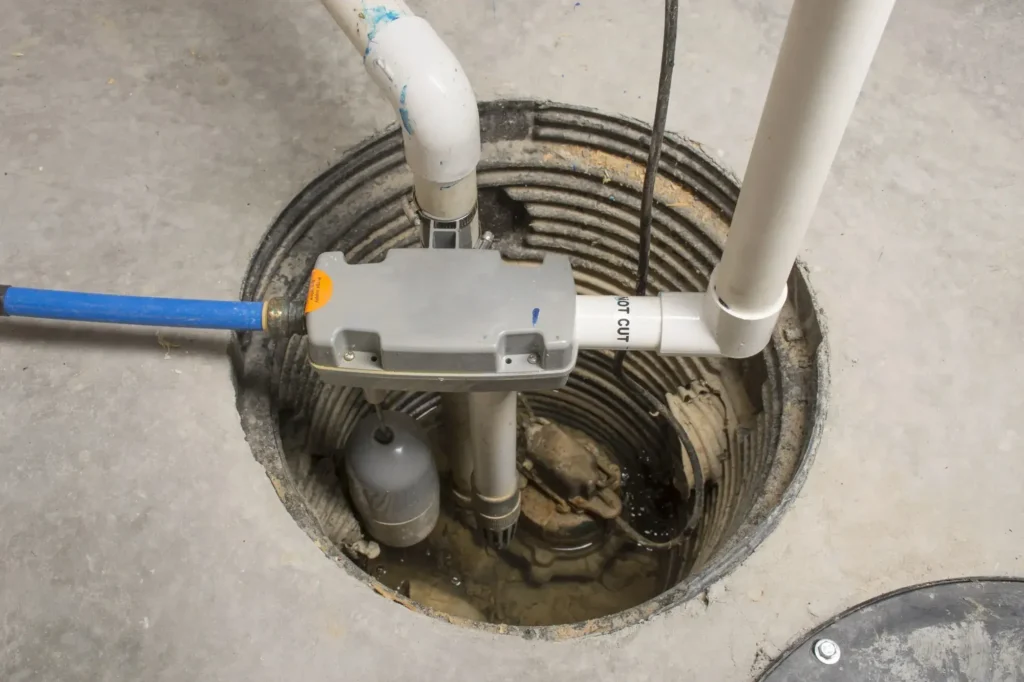
A well-functioning sump pump is your home’s first line of defense against basement flooding and costly water damage. However, like any mechanical system, it requires consistent care to perform efficiently. Regular sump pump maintenance not only protects your property but also extends the lifespan of your system and saves you from unexpected repairs.
In this comprehensive guide, you’ll learn how to maintain a sump pump, discover practical sump pump maintenance tips, and follow a proven sump pump care guide that keeps your system running smoothly year-round. Whether you’re a homeowner looking for a simple upkeep routine or someone preparing for heavy rainfall, this guide covers everything you need to know.
Why Regular Sump Pump Maintenance Is Essential
Ignoring sump pump maintenance can lead to serious consequences, especially during heavy rains or snowmelt. A failed sump pump can result in a flooded basement, damaged belongings, mold growth, and expensive repairs.
By maintaining sump pump system performance regularly, you can:
- Prevent unexpected system failures
- Reduce the risk of basement flooding
- Extend the life of your sump pump
- Improve overall efficiency
- Avoid costly emergency repairs
Routine sump pump inspection ensures that small issues are identified before they turn into major problems. A proactive approach to sump pump service is always more affordable than dealing with water damage later.
How Often Should You Maintain a Sump Pump?
One of the most common questions homeowners ask is: how often should you maintain a sump pump?
The answer depends on usage and environmental conditions, but here’s a general guideline:
- Monthly: Perform a quick visual inspection and test the pump
- Quarterly: Clean the sump pit and check components
- Annually: Schedule a professional sump pump service
- Before rainy season: Perform a complete check to ensure reliability
Seasonal preparation is especially important. Proper sump pump maintenance before rainy season ensures your system is ready when you need it the most.
Step-by-Step Sump Pump Maintenance Guide
Following a step by step sump pump maintenance guide can make upkeep simple and effective. This DIY sump pump maintenance guide will walk you through the essential steps.
Step 1 – Disconnect Power Safely
Before starting any work, unplug the sump pump to avoid electrical hazards. Safety should always be your top priority.
Step 2 – Clean the Pump and Pit
Debris buildup can affect performance. Remove dirt, gravel, and sludge from the pit.
Understanding how to clean a sump pump properly is crucial for preventing clogs and improving efficiency.
Basic sump pump cleaning steps include:
- Removing the pump from the pit
- Rinsing it with clean water
- Clearing debris from the intake screen
- Cleaning the sump pit thoroughly
Step 3 – Check the Float Switch
The float switch activates the pump when water levels rise. Make sure it moves freely and isn’t obstructed.
Step 4 – Inspect the Discharge Line
Check for blockages or freezing in the discharge pipe. A clogged line can cause water to flow back into the pit.
Step 5 – Test the Pump
To understand how to test a sump pump at home, pour a bucket of water into the pit. The pump should activate immediately and remove the water efficiently.
Performing these steps regularly ensures proper sump pump upkeep checklist compliance and keeps your system running smoothly.
Complete Sump Pump Maintenance Checklist for Homeowners
A structured sump pump maintenance checklist for homeowners helps ensure no step is overlooked. Here’s a simple checklist you can follow:
- Inspect power source and connections
- Clean sump pit and remove debris
- Check float switch functionality
- Inspect discharge pipe for blockages
- Test pump operation with water
- Check for unusual noises or vibrations
- Inspect backup battery system
- Ensure proper drainage away from home
Following this checklist regularly is a key part of effective sump pump maintenance and helps prevent unexpected failures.
Top Sump Pump Maintenance Tips to Extend Lifespan
Implementing smart sump pump maintenance tips can significantly improve performance and longevity. Here are some proven tips to extend sump pump lifespan:
- Install a battery backup system to ensure operation during power outages
- Keep the sump pit covered to prevent debris accumulation
- Avoid overworking the pump by maintaining proper drainage around your home
- Schedule regular sump pump inspection to detect early issues
- Replace worn-out parts promptly to prevent system failure
Consistent care and attention go a long way in maintaining a reliable system.
Signs Your Sump Pump Needs Maintenance
Recognizing the signs your sump pump needs maintenance can help you take action before it’s too late. Watch out for:
- Strange or loud noises during operation
- Continuous running or frequent cycling
- Failure to turn on when needed
- Visible rust or corrosion
- Vibrations or irregular movement
If you notice any of these issues, it’s time for immediate sump pump service to avoid potential damage.
How to Prevent Sump Pump Failure
Understanding how to prevent sump pump failure is essential for long-term reliability. Preventive measures include:
- Performing regular sump pump maintenance
- Keeping the discharge line clear
- Installing a backup pump system
- Scheduling periodic professional sump pump inspection
- Avoiding neglect during off-seasons
Prevention is always better than repair, especially when it comes to protecting your home from water damage.
Professional vs DIY Sump Pump Maintenance
While many homeowners follow a DIY sump pump maintenance guide, there are times when professional help is necessary.
DIY Maintenance:
- Basic cleaning and inspection
- Testing pump functionality
- Following a routine sump pump upkeep checklist
Professional Maintenance:
- Detailed system inspection
- Electrical and mechanical diagnostics
- Advanced repairs and replacements
Hiring experts for periodic sump pump service ensures that your system is thoroughly checked and optimized for peak performance.
Final Thoughts: Keep Your Sump Pump Running Efficiently
Consistent sump pump maintenance is the key to protecting your home from unexpected flooding and costly repairs. By following a proper sump pump care guide, performing regular inspections, and using a detailed sump pump maintenance checklist for homeowners, you can ensure your system operates efficiently for years to come.
Whether you choose a DIY approach or rely on professional sump pump service, the most important thing is to stay proactive. A well-maintained sump pump offers peace of mind, knowing your home is protected in any weather.
Start implementing these strategies today and keep your sump pump performing at its best for the long term.