

Water in the basement is one of the most stressful problems a homeowner can face. If you’ve ever noticed water in basement after rain, damp walls, or that persistent musty smell, you’ve probably started searching: what is drain tile and how can it protect my home?
Understanding what is a drain tile system is essential for protecting your foundation and preventing costly structural damage. A properly installed drain tile system plays a critical role in controlling groundwater and keeping your basement dry year-round. In this complete homeowner’s guide, we’ll explain the drain tile meaning, how a drain tile for house works, the different types available, warning signs of failure, and what you need to know about installation, repair, and replacement.
By the end of this guide, you’ll have a clear understanding of whether your home needs one and how it fits into a complete basement waterproofing strategy.
Drain Tile Meaning: What Is a Drain Tile System?
Let’s start with the basics.
So, what is drain tile exactly?
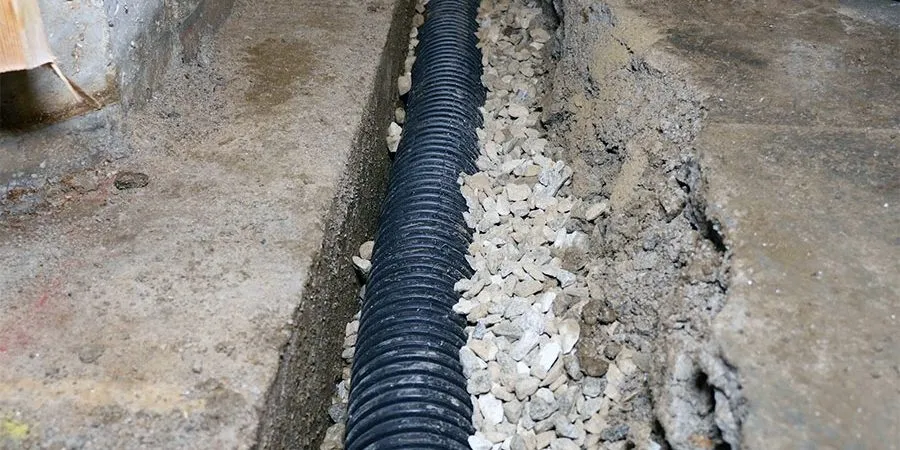
Despite the name, modern drain tile isn’t made of tile. Historically, builders used clay tiles to create underground drainage systems around foundations. Today, a drain tile system typically consists of perforated PVC or plastic pipes installed around the perimeter of a home to collect and redirect groundwater away from the foundation.
The drain tile meaning refers to this underground piping network designed to prevent water buildup around your home. It’s also known as a:
- Foundation drain tile
- Perimeter drain tile
- Weeping tile system
- Drain tile around foundation
A drain tile for house installation ensures that water doesn’t accumulate and create hydrostatic pressure against basement walls. Without proper drainage, that pressure can lead to cracks, leaks, and long-term structural damage.
In simple terms, if you’re asking what is a drain tile system, it’s your home’s underground defense system against groundwater intrusion.
How Does a Drain Tile System Work?
To fully understand what is drain tile, you need to know how it functions.
Where Is Drain Tile Located?
Many homeowners ask, where is drain tile located?
It’s typically installed:
- Along the exterior perimeter of the foundation footing
- Or inside the basement floor along the interior perimeter
- Around the entire foundation wall
This placement allows the basement drain tile system to intercept water before it enters the home.
How Does a Drain Tile System Work?
The process is straightforward:
- Groundwater collects around the foundation.
- The perforated pipe (surrounded by gravel) captures the water.
- Water flows through the pipe by gravity.
- It is directed toward a sump pump or drainage outlet.
- The water is safely discharged away from the home.
A well-designed drain tile waterproofing system reduces hydrostatic pressure and keeps the basement dry.
Types of Drain Tile Systems
Not all systems are the same. There are two primary types of drain tile system installations.
1. Exterior Drain Tile System
An exterior drain tile system is installed outside the foundation walls at the footing level.
Key Features:
- Requires excavation around the home
- Installed during new construction or major renovation
- Combined with waterproof membrane coating
- Long-term solution for serious water issues
This method provides strong protection because it stops water before it touches foundation walls.
2. Interior Drain Tile System
An interior drain tile system is installed inside the basement, beneath the floor slab along the perimeter.
Benefits:
- Less invasive than exterior excavation
- Ideal for existing homes
- Works with sump pump systems
- Often part of a basement drain tile system retrofit
Both systems function effectively, but the right choice depends on soil conditions, home age, and severity of water intrusion.
French Drain vs Drain Tile: What’s the Difference?
Many homeowners compare French drain vs drain tile systems.
Difference Between French Drain and Drain Tile
While they’re similar, they serve slightly different purposes.
| Feature | Drain Tile | French Drain |
| Installed around foundation | Yes | Sometimes |
| Primarily for foundation protection | Yes | Often used for yard drainage |
| Connected to sump pump | Usually | Not always |
| Underground system | Yes | Yes |
The difference between French drain and drain tile mainly lies in their purpose. A drain tile system focuses on protecting your foundation, while a French drain often manages surface water in landscaping.
Does My House Need Drain Tile?
Homeowners often ask:
- Does my house need drain tile?
- Is drain tile necessary?
- Do older homes have drain tile?
Older Homes and Drain Tile
Many older homes either:
- Don’t have a foundation drain tile, or
- Have outdated clay systems that may be failing
If your home was built decades ago, inspecting the existing system is critical.
Is Drain Tile Necessary?
In areas with:
- Heavy rainfall
- High groundwater levels
- Poor soil drainage
A drain tile for house installation is often essential.
If you’re experiencing recurring moisture issues, the answer is likely yes.
Signs You Need Drain Tile
Recognizing signs you need drain tile early can prevent major damage.
Common warning signs include:
- Water in basement after rain
- Persistent damp walls
- White chalky residue (efflorescence)
- Musty odors
- Mold growth
- Cracks in foundation walls
- Pooling water near foundation
Clogged Drain Tile Symptoms
Sometimes the issue isn’t missing drainage—it’s failure.
Common clogged drain tile symptoms:
- Slow water drainage
- Sump pump running constantly
- Standing water around foundation
- Basement leaks during storms
If your drain tile not working properly, inspection is necessary.
Can Drain Tile Get Clogged?
Yes, can drain tile get clogged is a valid concern.
Common causes include:
- Soil intrusion
- Tree root infiltration
- Collapsed pipes
- Sediment buildup over time
When this happens, the entire drain tile system becomes less effective.
How to Fix Drain Tile Problems
If you’re wondering how to fix drain tile problems, solutions may include:
- High-pressure flushing
- Sewer camera inspection
- Spot repairs
- Partial or full drain tile repair
- Complete drain tile replacement in severe cases
Professional evaluation ensures accurate diagnosis.
Drain Tile Installation: What to Expect
Understanding drain tile installation helps homeowners prepare.
Exterior Installation Process
- Excavation around foundation
- Installation of perforated pipe
- Gravel bedding
- Waterproof membrane application
- Backfilling
Interior Installation Process
- Cutting basement floor slab
- Installing piping along perimeter
- Connecting to sump pump
- Re-pouring concrete
A complete drain tile waterproofing system often includes sump pump installation for optimal protection.
Professional installation ensures long-term durability and proper slope for water flow.
Drain Tile Repair vs Drain Tile Replacement
Not every issue requires full replacement.
Drain Tile Repair
Suitable when:
- Damage is localized
- Minor cracks or partial blockages exist
- System is relatively new
Drain Tile Replacement
Necessary when:
- Clay pipes have deteriorated
- System collapses
- Repeated basement flooding occurs
- Extensive clogging exists
Choosing between drain tile repair and drain tile replacement depends on age and severity of damage.
How Long Does Drain Tile Last?
A common question is: how long does drain tile last?
- Clay systems: 30–50 years (often less due to root damage)
- PVC systems: 50+ years with proper installation
Maintenance and regular inspections extend lifespan significantly.
Basement Flooding Solutions: Is Drain Tile Enough?
While a drain tile system is critical, it’s often part of a larger waterproofing strategy.
Complete basement flooding solutions may include:
- Sump pump installation
- Exterior grading correction
- Downspout extensions
- Crack injection repair
- Waterproof membranes
A properly functioning drain tile around foundation is the backbone of foundation drainage, but additional systems enhance protection.
Frequently Asked Questions
What is drain tile in simple terms?
It’s an underground pipe system installed around your foundation to collect and redirect groundwater away from your home.
Where is drain tile located?
It’s typically installed around the foundation footing—either outside the foundation walls or beneath the basement floor.
Can drain tile get clogged?
Yes, soil, roots, and sediment can block the system over time.
Is drain tile necessary?
In regions with high rainfall or groundwater levels, it’s often essential to prevent basement flooding.
Do older homes have drain tile?
Some do, but many older systems are outdated or failing.
Final Thoughts
So, what is drain tile?
It’s one of the most important yet unseen systems protecting your home’s foundation. A properly functioning drain tile system keeps groundwater away, reduces hydrostatic pressure, and prevents costly structural damage.
Understanding the drain tile meaning, recognizing warning signs, and knowing when to invest in drain tile installation, repair, or replacement can save thousands in future repairs.
If you’ve noticed water in basement after rain, damp walls, or suspect your drain tile for house may not be working properly, professional inspection is the smartest next step.
A well-designed drain tile waterproofing system isn’t just a plumbing feature — it’s a long-term investment in your home’s safety and value.